
Specialist Occupational Therapy Service
Specialist Occupational Therapy Service
How we help
Comprehensive and standardised clinical assessments to identify sensory processing challenges and their impact on your child’s learning, anxiety, behaviour and emotional regulation.
Tailored treatment sessions using evidence-based sensory integration strategies to support motor skills, social participation and functional independence.
Practical sensory diets and strategies tailored around the sensory needs of your child and family, to enable your child to thrive in school and at home.
Understanding sensory integration
Our brains connect to receptors that collect sensory information from eight sensory systems — but sometimes they collect too little, or not enough.
Poor sensory integration can cause:

In the therapy room
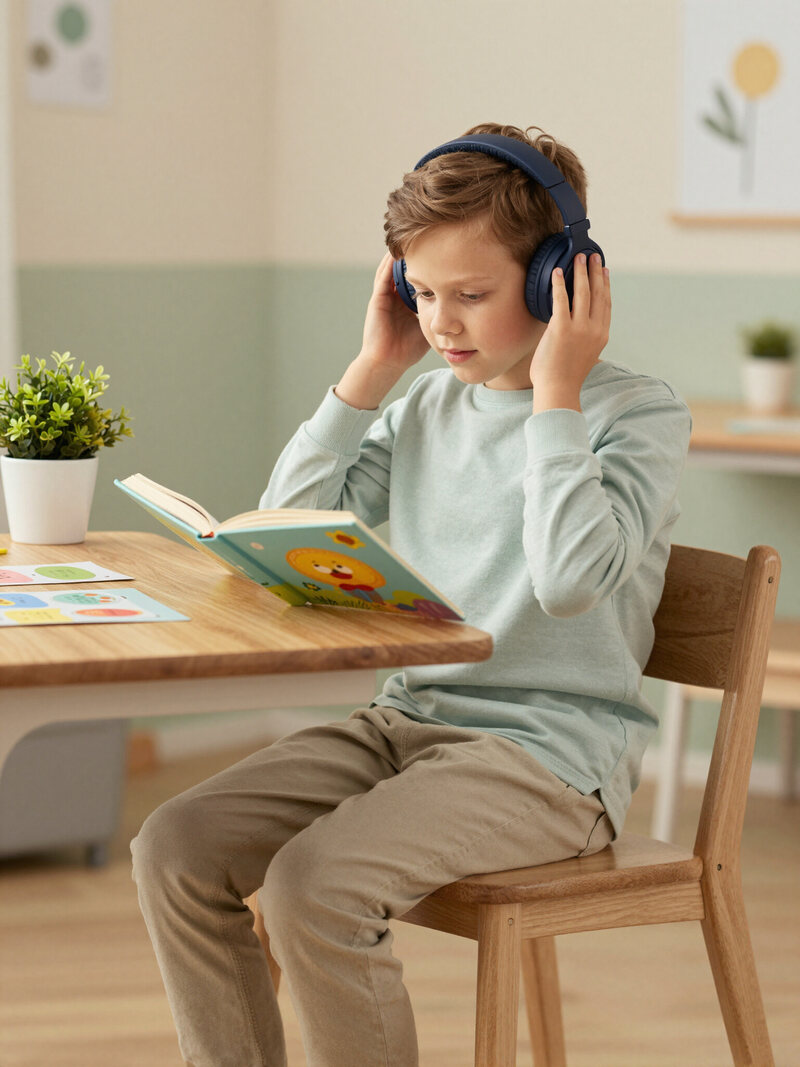
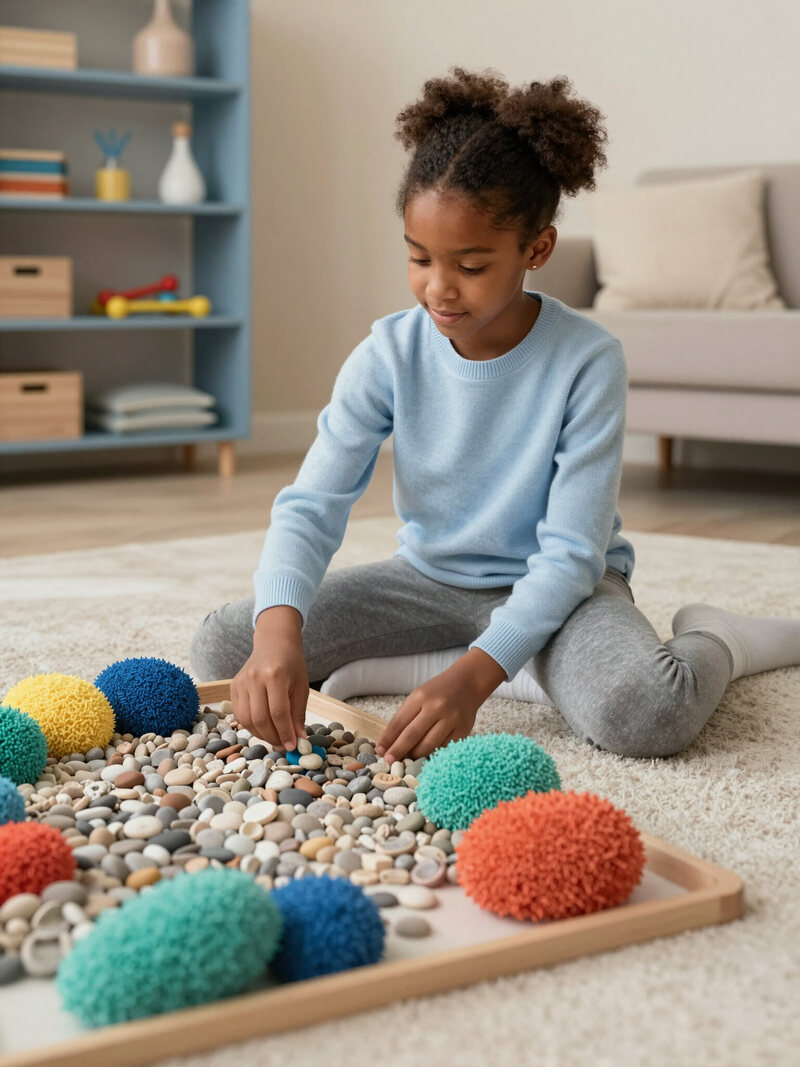
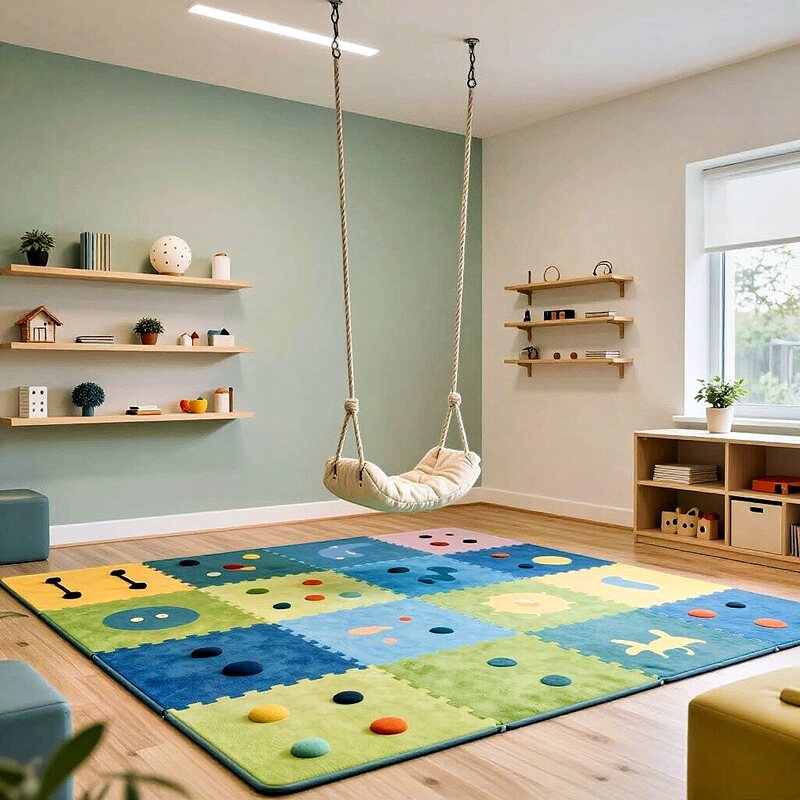
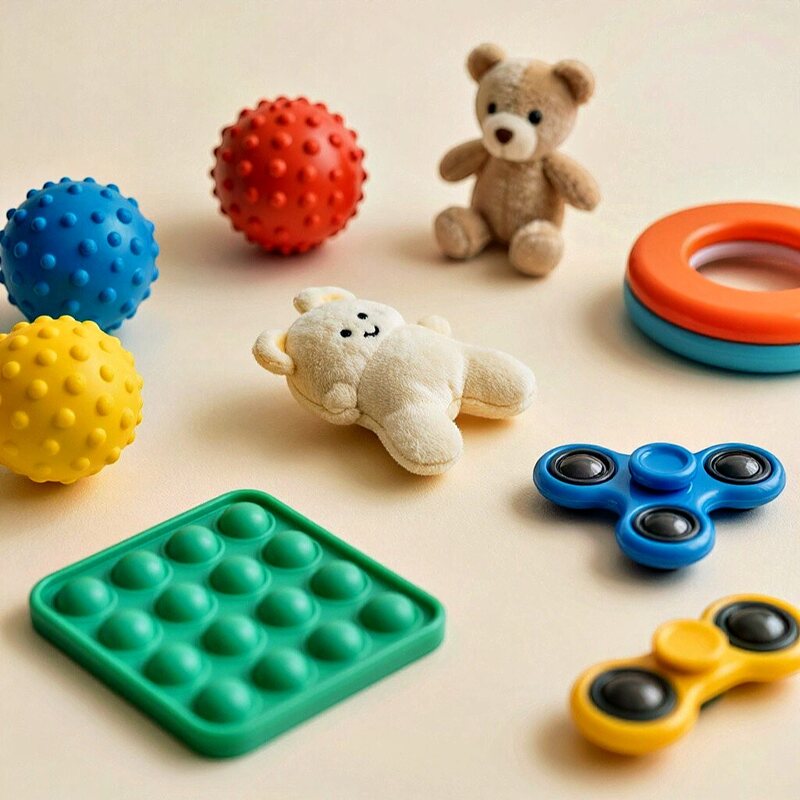
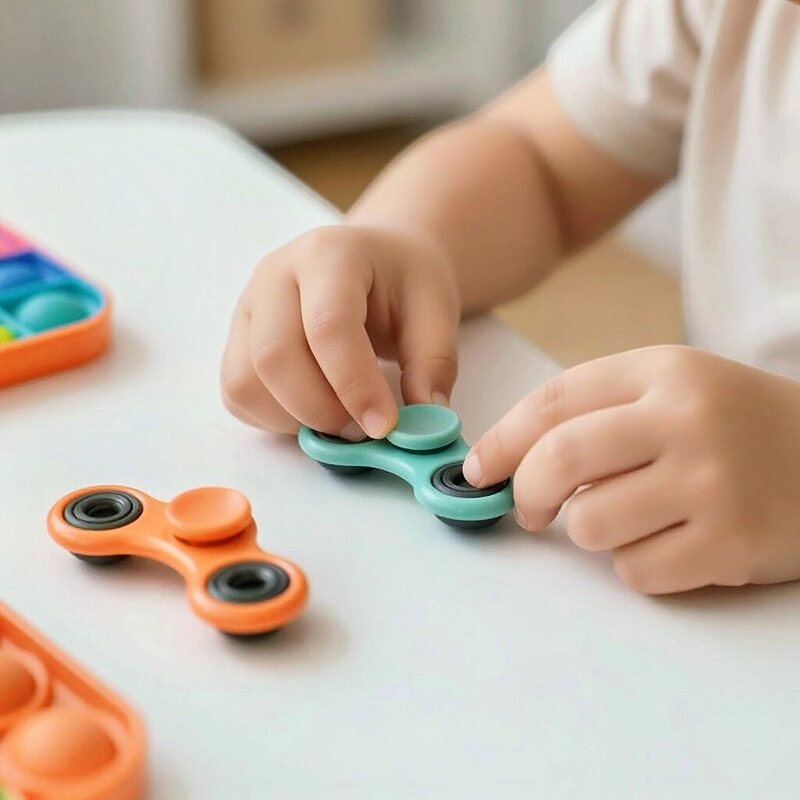
Interventions use a variety of equipment — such as gym balls and sensory trays — to help children feel more grounded and safe in their bodies, improving emotional regulation, confidence and a sense of calm.

Common questions
The questions parents most often ask about sensory processing and how therapy can help.
Sensory integration therapy is a play-based occupational therapy approach that helps a child’s brain process and respond to sensory information more effectively — improving everyday skills, emotional regulation and confidence.
Common signs include over- or under-reactivity to touch and sound, anxiety, sleep and eating difficulties, poor emotional regulation, low self-esteem, dyspraxia and social difficulties.
We observe how your child responds to different sensory experiences and gather information from you and, where helpful, their school — to understand their sensory profile and shape a tailored therapy plan.
Yes. Alongside 1:1 therapy we create home and school sensory programmes so the strategies carry into your child’s everyday environments.
We provide specialist paediatric sensory integration occupational therapy for children across Essex.
Get in touch to discuss an assessment or to find out how sensory integration therapy could help your child and family.
This site uses no tracking or analytics cookies. Nothing about your visit is measured, profiled or shared with anyone, and the fonts are served from this site rather than a third party.